First Appearance Nostalgia
This is a review of X-Men ’97, season one—finally written for darrylpotter.com in 2026, after a grueling two-year production hiatus delayed the show’s season two premiere. I couldn’t review season two without first giving season one its due. But first—a little nostalgia. Saturday, September 16, 1989: Pryde of the X-Men aired on Fox. Nightcrawler instantly became my favorite, and as for villains, Pyro was it. My family was getting ready for a road trip back to New York. Nightcrawler couldn’t teleport in time. “He’s gone,” the Professor tells Kitty Pryde, his voice trembling. She cries; Cyclops can’t believe it. That was the last thing I saw before we left, and it devastated me. At six years old, I had zero concept of what it meant when a TV pilot didn’t get picked up.
A little forward in time—March, 1992. We were back in New York (again; it happened a lot). My older brother and his best friend were full-on comic book nerds. I got beat up all the time for taking his comics out of their sleeves to actually read them. My parents gave my two older brothers money for laundry. We passed a pizza shop with a new arcade game—X-Men! Nightcrawler was right there on the side of the game’s cabinet. My brothers and cousin spent our laundry money trying to beat it. “Give me some quarters to play, or I’m telling.” Nightcrawler’s special move was a teleport attack. We moved again; I hated this new city. My best friends made it better; that year, all October, we rapped Geto Boys’ “Mind Playing Tricks on Me.” Halloween was on a weekend. It was a Saturday—X-Men: The Animated Series premiered, too.
What X-Men: The Animated Series Wanted to Be
Every millennial has a nostalgic memory connected to X-Men: The Animated Series. We were the show’s target audience. I liked the way Wolverine talked; in Pryde of the X-Men, he had a forced Australian accent. It nixed John Byrne’s iconic earth-toned brown-and-tan suit for Wolverine. Morph was cool. So was Beast. Storm’s son, too. The crossovers with Spider-Man: The Animated Series were everything. But there were limitations at the time, thanks to Broadcast Standards and Practices (BS&P) rules of the 1990s.
No punching allowed. The only punch thrown was by Wolverine, into Cyclops’s stomach. Showrunner Eric Lewald had to argue it wasn’t combat and didn’t cause permanent damage. The Sentinels and aliens were essential; it was the only way to showcase Wolverine’s claws or the rest of the team’s powers. Censors allowed heroes to shred, blast, and blow up robots because they were non-living. Laser guns, not real ones (“pew, pew”). Magneto’s Jewish background and the horrors of Nazi concentration camps were censored out.
Overt flirting, sexual dialogue, or romantic tension were out, too. And then, by 1997, the show was over. Most of us millennials were about the same age as Kitty Pryde—getting into overt flirting, sexual dialogue, or romantic tension ourselves. We followed the cool kids over to Cartoon Network, Nickelodeon, and MTV—and for me, Sci-Fi channel (an undercover Black nerd into all types of cool sh*t).
Finally, What X-Men ’97 Is
In 2021, right in the middle of the pandemic, when everyone’s morale was at rock bottom, Marvel Studios Animation officially announced X-Men ’97. They wanted to capitalize on intense millennial nostalgia and the streaming era’s demand for big, episodic shows. The series set out to bridge the 27-year gap since the original finale, reviving those iconic 1990s character designs and musical themes with modern animation and more sophisticated, adult storytelling.
Marvel Studios pushed production to reintroduce the X-Men to today’s audiences before their live-action debut in the Marvel Cinematic Universe (MCU). The original creative team—including consulting producers Eric and Julia Lewald—finally got a platform to tell the mature, high-stakes stories that ‘90s TV budgets and BS&P never allowed.
March 20, 2024: X-Men ’97 premieres—more than 30 years later, and now I’m a husband and the father of one son in college and another on his way. Cyclops never made high-altitude landings from a plane—no parachute—using his optic blasts back in my day. My two youngest argued over whether Gambit was a “cuck”—they’re referring to the heartbreaking, tragic fallout between him and Rogue, who, in this series, has a sneaky-link relationship with Magneto.
Speaking of Magneto: at one point, he uses his mastery of electromagnetic force to lift UN leaders into Earth’s upper atmosphere to deliver a speech centered on Xavier’s dream. He says, “I am trying to be better. Please. Do not make me let you down.” It’s a compelling introduction to his story arc toward peaceful coexistence—a mutant doing the work in Xavier’s honor, striving to be better.
It Picks Up Where the 1990s Series Left Off—Only Better
Honestly, my kids don’t deserve such uncanny TV! I watched this version of Morph—inspired by the reality-hopping Kevin Sydney from Earth-1081 in Exiles #1—transform into sixteen different Marvel characters in this season. While Magneto’s struggle with leadership is the main plot, this season also explores Cyclops and Jean, as husband and wife, wrestling with having a life outside of leading the team. I’m jealous—my kids have no idea what my generation survived to finally see cartoons like this. But maybe we can intergenerationally coexist, peacefully. These debates alone would justify my Disney+ subscription just for this show—right?
Despite its 1997 setting, the writing is so sharp and timely. The dedicated writing team, led by creator Beau DeMayo and writers Charley Feldman, Anthony Sellitti, and JB Ballard, builds on the foundation set by Stan Lee and Jack Kirby. Xavier is presumed dead, and without his leadership, the X-Men struggle. Scott (Cyclops) and Jean Grey consider a life away from Xavier’s School for Gifted Youngsters. And our world is still intolerant of mutants, who are building an idealistic utopia for themselves on the island of Genosha. But malevolent threats, familiar and new, bring war and an extinction-level event that could destroy both mutant and human existence.
It’s all done with a modern aesthetic, led by production designer Anthony Wu and character designer Amelia Vidal, with animation from Studio Mir and Tiger Animation. Creative leadership includes supervising director Jake Castorena and executive producers Kevin Feige, Louis D’Esposito, and Brad Winderbaum. But does X-Men ’97 achieve what the original ‘90s cartoon never had the budget, runtime, or creative freedom to do?
The Verdict
X-Men ’97’s team crammed in massive comic book storylines—including Inferno, Lifedeath, E Is for Extinction, and Operation: Zero Tolerance. Without giving spoilers, I’ll just say the pace sometimes meant neither the characters nor the audience got enough time to emotionally process the grief. I didn’t mind, but some viewers will. And yes, some will find the dialogue a bit campy and overly expository at times. But that’s in keeping with the spirit of 1990s Saturday morning cartoons and Chris Claremont’s classic comic writing.
I was today years old when I learned Nightcrawler didn’t actually die in that Pryde of the X-Men pilot episode. Thanks to X-Men ’97 inspiring my need to know for sure, I watched the entire 22-minute episode on YouTube. After more than thirty years of carrying my tragic, misinformed sorrow, all it took was streaming the content online.
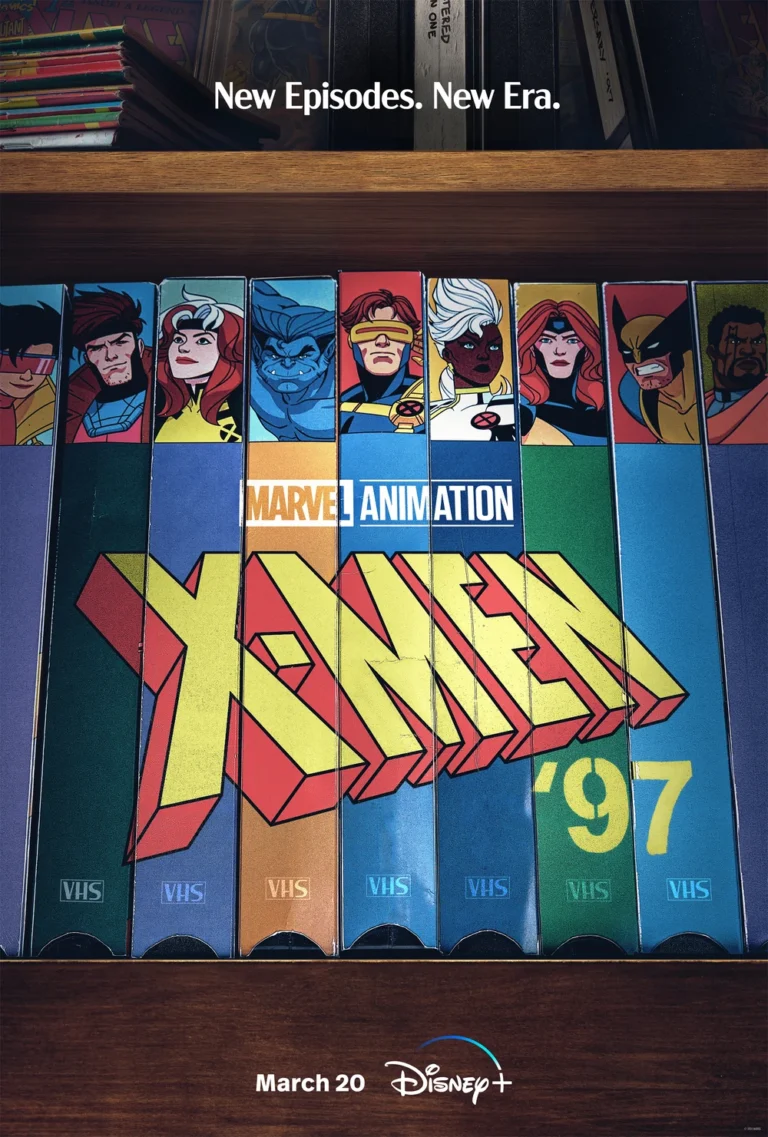
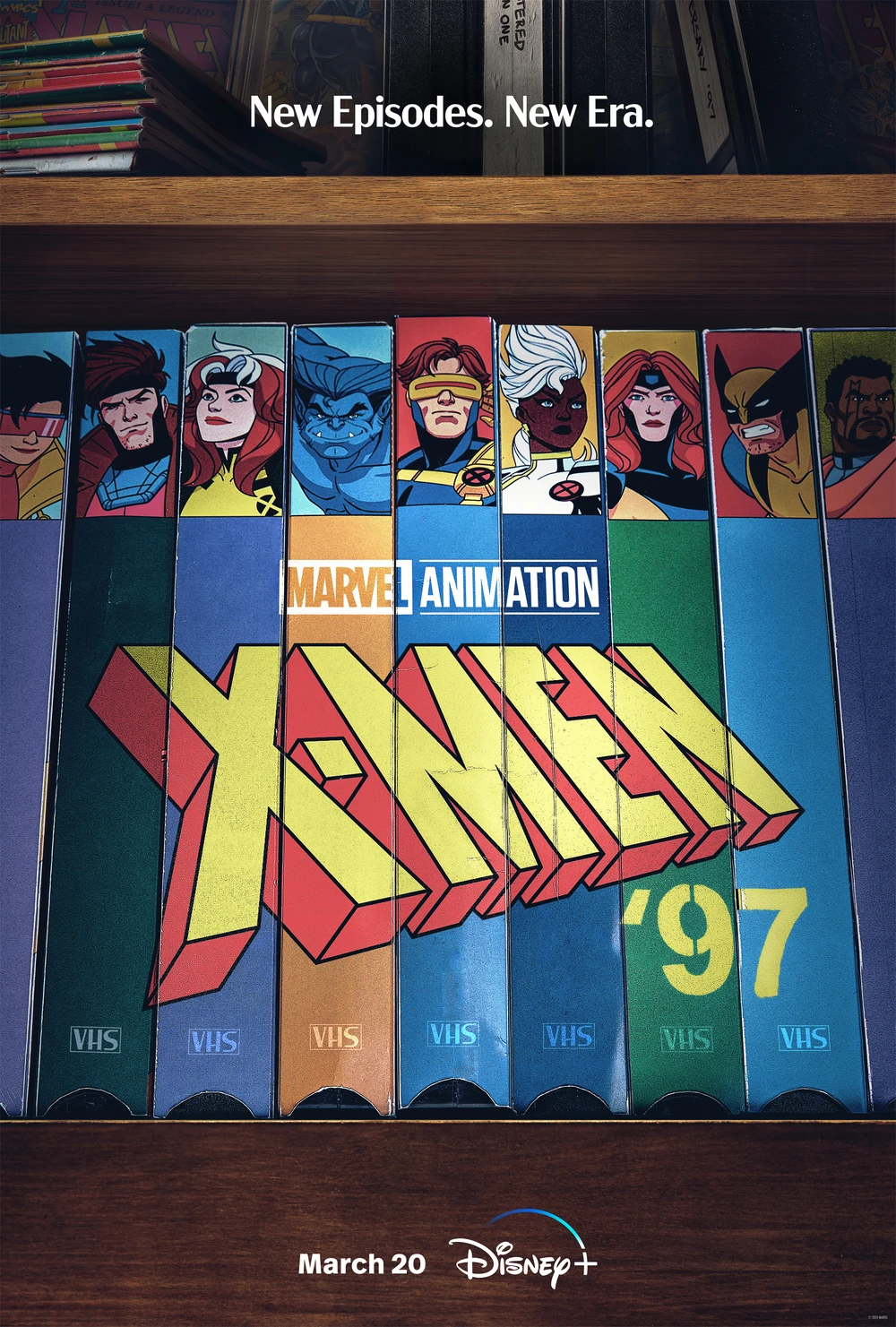
See, we millennials had to hold onto some “facts” for years, only to discover they were never true. Fact-checking our nostalgia online didn’t exist in 1989 or 1992. There was no X, Instagram, Threads, TikTok, or Reddit to discuss it—or get roasted on—either. There was no way to archive our moments in nostalgia, only memories we had no choice but to hold dear. The closest technology we had was VHS tapes, which is why X-Men ’97’s official season one poster features them: “New Episodes. New Era.” And yes, they all delivered.