Cinema’s New Age of “Smart Horror”
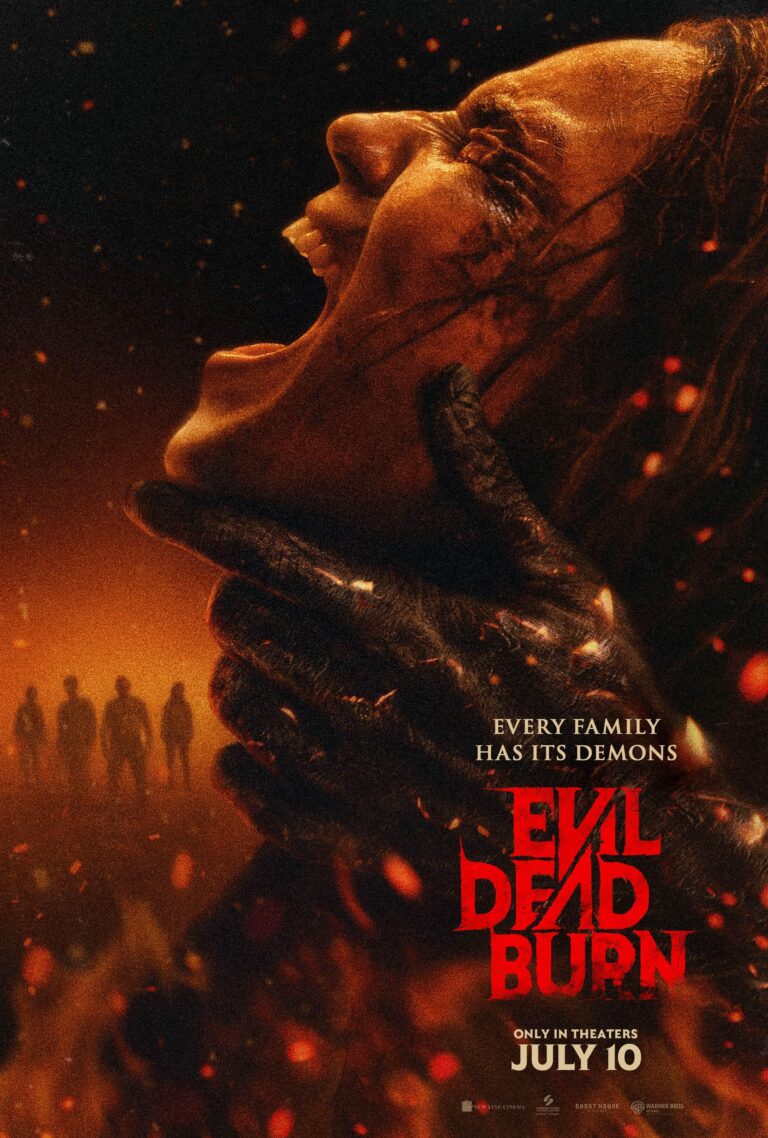
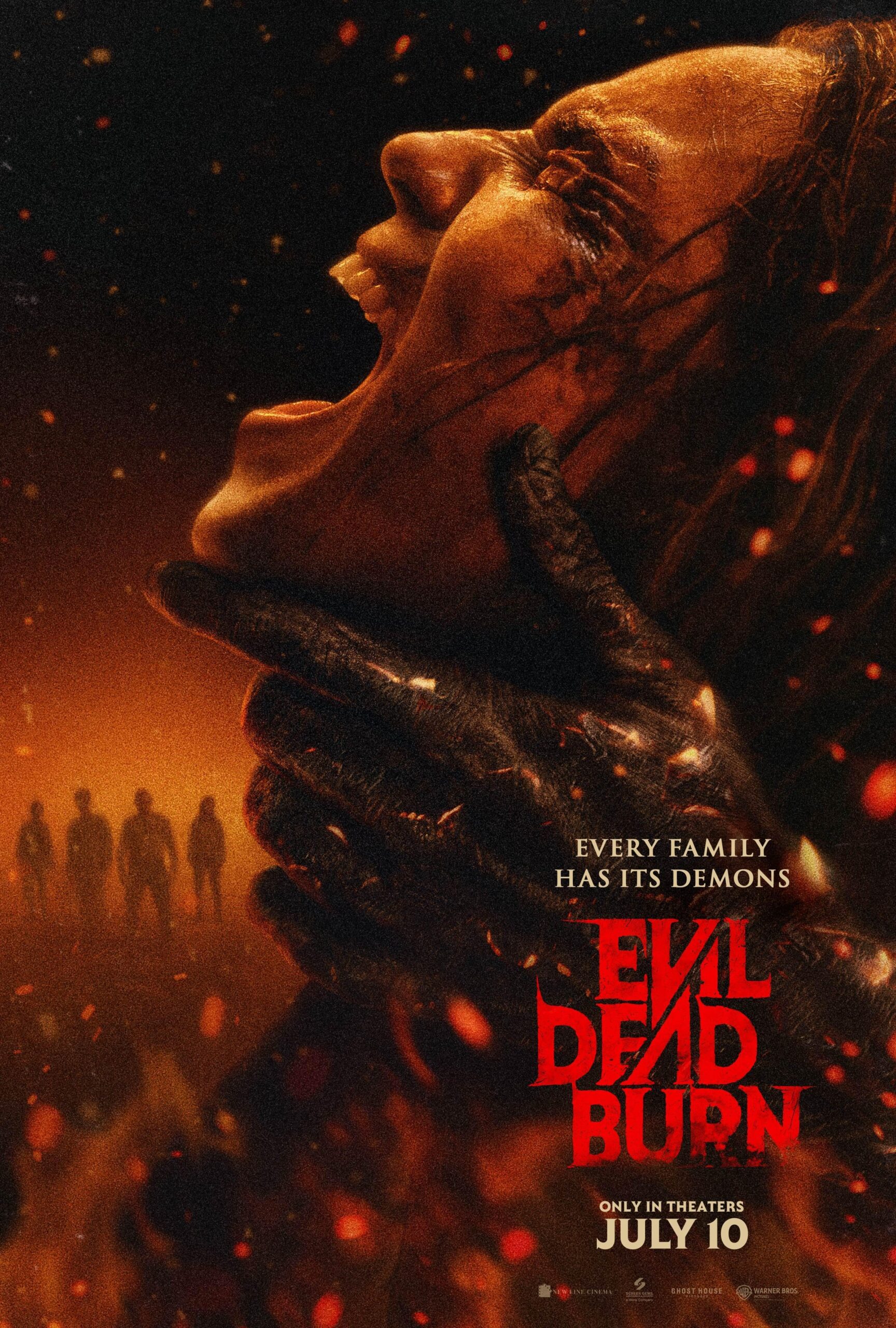
Cinema is undergoing a renaissance of intelligence, as sci-fi, horror, and thrillers are no longer mere vehicles for cheap scares or spectacle. Instead, films like Ex Machina and Get Out use these genres to probe the depths of human psychology and society. Before those touchstones, Fede Álvarez’s 2013 reboot of Evil Dead signaled this shift. Álvarez uses demonic possession as a visceral metaphor for drug addiction. In Evil Dead Rise, director Lee Cronin explores the horrors of codependency through a family consumed by its own dysfunction. Now, with Sébastien Vaniček’s Evil Dead Burn, the franchise moves beyond the “evil in the woods” trope to explore the terrifyingly familiar terrain of the toxic nuclear family. It’s the most brutal and intellectually stimulating entry in the series.
Exorcising the Past: Evil Dead’s Bold Reinvention From Camp to Catharsis
Like this summer’s successful horror releases, Obsession and Backrooms, the new Evil Dead movies depart from the excessively campy and absurdist horror template of Sam Raimi’s originals. Instead, they turn their lens toward trauma—sometimes deeply personal, sometimes generational—and the resilience of the human spirit, as seen most strikingly in Evil Dead Burn.
Generational Hauntings: Trauma Etched in Blood
In this latest installment, we’re introduced to Alice, played by Souheila Yacoub. After the death of her husband, Will Price (George Pullar), she seeks solace with her in-laws. Director Sébastien Vaniček uses the franchise’s Deadite terror to literalize the emotional scars, isolation, and gaslighting Alice endured during her marriage. As her in-laws are transformed one by one into Deadites, Alice realizes that the horrors of domestic abuse and enabling family systems can be just as destructive as any demonic force.
The Physical Toll of Dysfunctional Toxic Relationships
Early in the film, Alice’s mother-in-law insists they share the same shoe size, pressing Alice to wear a pair of her shoes. As soon as Alice slips them on, the shoes bite into her skin, raising bloody blisters with every step. The scene is more than discomfort; it’s a razor-sharp metaphor for Alice’s marriage to Will. She was always told she “fit” into this family, that any pain was her own fault. Yet every attempt to conform left her raw and wounded, both inside and out. Those ill-fitting shoes become a haunting image of the suffocating grief and trauma Alice endures—long before the Deadites make an appearance. It’s in scenes like this that Sébastien Vaniček’s intentionality in the film really stands out to me the most.
Bloodlines and Burdens: The Price Family Curse
The generational trauma in Evil Dead Burn begins with the family’s grandfather, Dr. Benjamin Price. The deceased patriarch and historian’s hidden research and occult discoveries trigger the film’s catastrophic Deadite invasion. Benjamin serves as the link between Evil Dead Burn and the broader lore of the Evil Dead franchise. Dedicating his life as a historian and as an elite member of the Circle of the Wise Men ties Benjamin directly back to Ash Williams’ medieval allies from Army of Darkness (1992).
Grisly Genius: The Artistry of Violence
But he abandons his family to search for and hoard dark relics like the Kandarian dagger. By prioritizing a secret group dedicated to containing the forces of the Book of the Dead, he leaves behind a legacy of emotional avoidance and hidden secrets. This legacy paves the road to hell for his children and grandchildren, causing them to repeat cycles of violence, cowardice, and enabling behavior.
Anatomy of Dysfunction: Mapping a Haunted Lineage
The introduction to the Price family serves as a grim road map of generational trauma. Vaniček carefully reveals each family member’s flaws through the eyes of Alice. The story begins in a nightclub with the youngest generation. First, we meet Alice’s abusive husband, Will. His aggressive behavior immediately exposes the exhausting and violent reality of Alice’s marriage. Alongside him is his brother, Joseph (Hunter Doohan), an aspiring writer. After his parents give him the family’s lake house estate, he discovers and becomes obsessed with Benjamin’s research hidden within its walls. Joseph’s challenge is that he struggles to speak up for himself. His deep insecurity and cowardice show Alice that the family’s dysfunction runs deep.
The narrative then shifts to a post-funeral gathering at the rural estate, where Alice’s isolation grows. Here we meet the matriarch, Susan (Tandi Wright), whose cold and deceptive nature shows how decades of enabling toxic men can destroy a mother’s empathy. The father, Edgar (Erroll Shand), is a distant and emotionally absent patriarch. His explosive blame toward Joseph reveals a pattern of domestic projection. Finally, we see the grandmother, Polly (Maude Davey), whose dementia completes the family’s tragic picture. Polly serves as a warning for Alice, symbolizing the danger of staying passive in a family where men’s dark obsessions overshadow and harm the women around them.
Violence as Vision: The Operatic Brutality of Evil Dead Burn
Evil Dead Burn’s relentless gore and cruelty is not a flaw, but rather its core thematic purpose. While some critics will inevitably recoil at the gratuitous, berserk-level violence, dismissing the film for its bloodshed misses the architectural brilliance of Vaniček’s structural design. He does not indulge in violence for its own sake; the movie’s three grisly acts are carefully crafted to literalize the psychological torment of its characters.
Criticizing this film for its extreme violence is akin to criticizing Gaspar Noé’s Irréversible for its grueling, agonizing premise. In both films, a softened version would fundamentally compromise the harsh realities they aim to expose. Rather than numbing the viewer, Vaniček uses excessive brutality to force the audience to confront uncomfortable, real-world horrors at the story’s core. After all, these are demons we are dealing with. Diluting their capacity for evil would utterly undermine both the film’s thematic ambition and its emotional impact.
Choreography of Chaos: Sequences That Breathe and Bleed
From the violence inflicted on the family dog to the elegantly shot brawl in the dining room, Evil Dead Burn delivers unforgettable sequences. The SUV scene—whoa! Vaniček and his team spend much time meticulously blocking the scenes, turning the tight environment into a complex, chaotic sequence with multiple camera angles. While it is not a single-take action scene like Marvel’s Daredevil “hallway scene,” the dining room and hallway scenes still create that same sense of exhausted realism. Then, there’s another violent moment with the family dog, but this time it’s justified. I’ve dedicated one whole star to the way these sequences were crafted alone.
Syncopated Terror: Cutting Edge Sound and Fury
The Bay Area rapper Sliim Bambino’s song “Hallehova” explodes on screen as the crematorium worker listens to it during a major Deadite encounter. Maxime Caro, the film’s editor, cut that scene as well as the entire movie. The music video-like pacing brings this nearly 50-year-old horror franchise into the future. Director Sébastien Vaniček, alongside Caro and the musical duo Double Danger, create a rhythmic, almost symphonic experience of terror. Caro is responsible for shaping the pacing, tension, and structure of this sixth Evil Dead installment.
When Demons Go Digital: The Limits of CGI
But Evil Dead Burn isn’t without its drawbacks. The appearance of Deadite Will sometimes suffers from distracting digital effects. At times, he looks like Imhotep from 1999’s The Mummy. The CGI breaks the film’s immersion by replacing the franchise’s iconic, gritty practical makeup with a weightless computer-generated model. The unnatural movement and glossy textures stand out against the otherwise dark, atmospheric lighting. Instead of evoking genuine terror, the unconvincing computer graphics turn a pivotal horror climax into a jarring, video game-like spectacle. It almost begged for my mercy to stay seated and, at a minimum, not wince at the audacity.
Resurrection and Reckoning: Post-Credit Promises
However, just when you feel a bit cheated as the credits roll, a mid-credit scene appears—whoa! If you stay in your seat until the very very end, Evil Dead Burn’s jaw-dropping post-credit scene shockingly resurrects fan-favorite Deadite Ellie Bixler. This moment establishes a terrifying, direct connection to the events of Evil Dead Rise and 2013’s Evil Dead. When Alyssa Sutherland steps back into the frame with her unforgettable, bone-chilling grin, it signals massive franchise-wide implications that demand to be witnessed on the biggest screen possible.
For Evil Dead, This is Only the Beginning
It is a moment that recontextualizes the entire 109 minutes of terror that preceded it. The monsters were real, the blood was real, and the chainsaws were real; but for Alice, the supernatural nightmare was merely an extension of a reality she had already been surviving every single day. Evil Dead Burn stands as a monumental achievement in modern horror precisely these smart horrors understand that the most terrifying demons are not those summoned from the depths of the earth, but those we allow to sit at our dinner tables, hide behind family names, and sleep in our beds. Vaniček has given us a film that burns long after the credits roll, leaving a scar that is as profoundly emotional as it is gorgeously, unforgettably grotesque.